
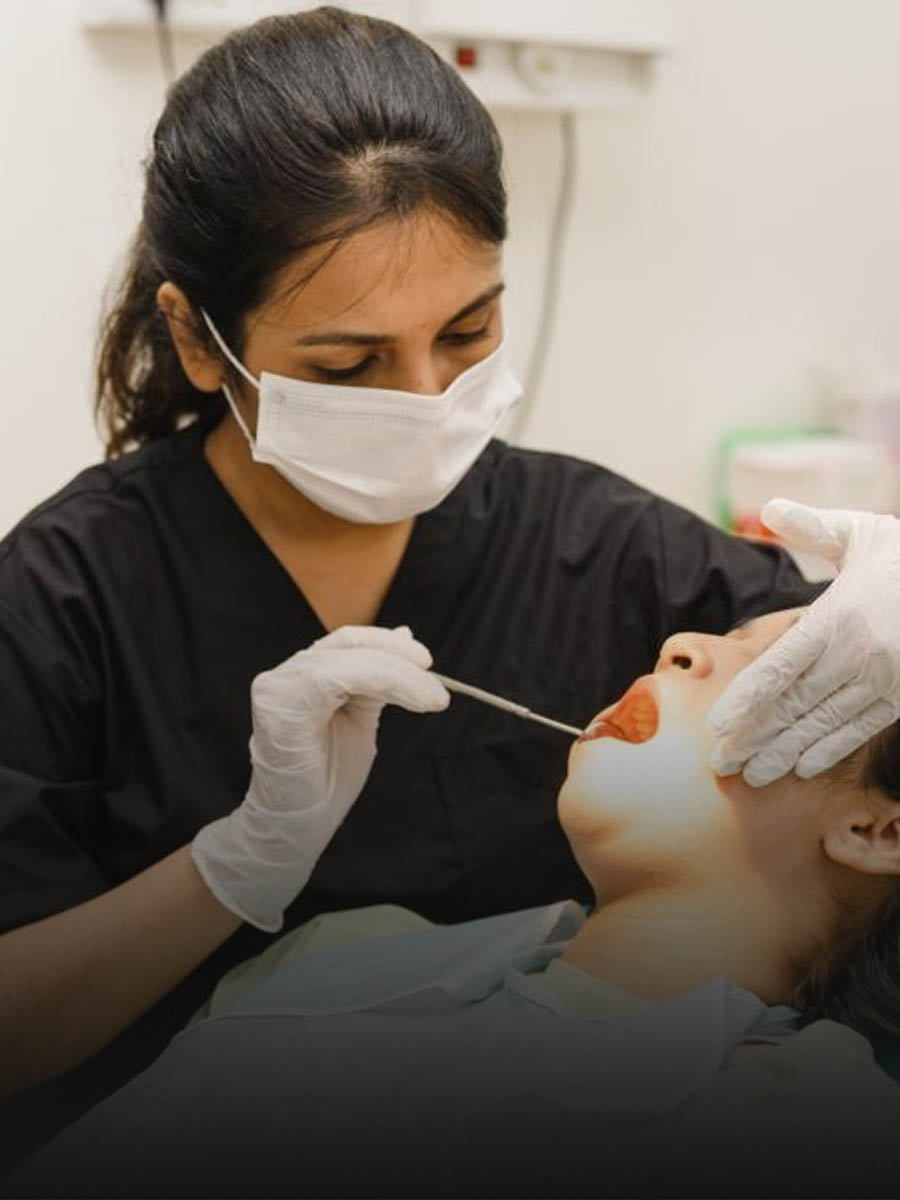
Understanding the Role of Dental Implants in Restorative Dentistry
Dental implants have emerged as a transformative solution in modern restorative dentistry, offering unparalleled benefits for individuals struggling with tooth loss. Unlike traditional dentures or bridges, dental implants integrate directly with the jawbone, providing a stable and permanent foundation for replacement teeth. This integration mimics the natural root structure of teeth, which plays a crucial role in maintaining bite strength and overall oral function. Beyond the aesthetic improvement, implants restore the ability to chew a diverse range of foods comfortably, allowing individuals to maintain a balanced diet without the restrictions often associated with removable prosthetics. The preservation of jawbone density and prevention of bone resorption are additional advantages that make dental implants a long-term solution, contributing to both oral health and facial structure stability.
Enhanced Bite Force and Chewing Efficiency
One of the most significant advantages of dental implants is their ability to restore bite force effectively. Natural teeth are anchored by roots that provide resistance and leverage during chewing, a feature that traditional dentures cannot fully replicate. Dental implants, anchored directly into the jawbone, distribute chewing forces evenly across the mouth, closely resembling the function of natural teeth. This restoration of bite strength allows patients to enjoy foods that were previously difficult to manage, such as nuts, raw vegetables, or tough meats, without discomfort or fear of dislodging a prosthetic. Improved chewing efficiency not only enhances nutrition but also supports digestion, as food can be broken down more thoroughly before swallowing, reducing strain on the digestive system and promoting overall health.
Stability and Long-Term Durability
Dental implants offer remarkable stability that surpasses other tooth replacement options. Because the implant fuses with the jawbone through a process called osseointegration, it provides a permanent anchor for crowns, bridges, or dentures. This stability eliminates the slipping, clicking, or movement associated with conventional dentures, which can compromise speech and eating habits. The long-term durability of implants is also a critical benefit, as high-quality titanium or zirconia implants can last several decades with proper care. Patients experience enhanced confidence in daily activities, from speaking in public to eating without hesitation, knowing that their dental solution is securely anchored. This durability and reliability position dental implants as an optimal choice for individuals seeking both functional and enduring oral rehabilitation.
Preservation of Jawbone and Facial Structure
Tooth loss has a direct impact on the integrity of the jawbone, as the absence of natural roots can trigger bone resorption over time. Dental implants help prevent this deterioration by stimulating the jawbone during chewing, replicating the natural forces applied by real teeth. This stimulation maintains bone density, preventing the sunken or aged appearance that often accompanies long-term tooth loss. By preserving the jawbone, implants also support the surrounding teeth, ensuring proper alignment and reducing the risk of shifting or crowding. The preservation of facial structure extends beyond aesthetics, as a robust jawbone contributes to the overall functionality of the oral cavity, allowing for balanced distribution of bite forces and long-term oral health stability.
Improved Oral Function and Speech
Beyond restoring chewing ability, dental implants significantly enhance oral function, including speech clarity and pronunciation. Missing teeth or ill-fitting dentures can create gaps that disrupt normal tongue movement and articulation, leading to slurred or distorted speech. Dental implants fill these gaps with precision, enabling the tongue and lips to interact naturally during conversation. This improvement in speech function enhances social confidence and reduces self-consciousness associated with traditional tooth loss solutions. Moreover, dental implants provide a stable base for multiple teeth replacement, ensuring uniform pressure distribution and preventing strain on adjacent teeth, which further enhances overall oral performance and maintains the balance of bite forces across the dental arch.
Boosting Overall Oral Health and Hygiene
Unlike traditional bridges that require alteration of adjacent healthy teeth, dental implants preserve the natural structure of surrounding teeth, allowing them to remain intact. This conservation is crucial for maintaining long-term oral health, as it prevents unnecessary weakening or damage to neighboring teeth. Dental implants also facilitate easier oral hygiene practices, as their design mimics natural teeth and allows for effective brushing and flossing around the implant. Maintaining oral hygiene is essential to prevent peri-implantitis or other gum complications that could compromise implant success. In addition to preserving dental function, dental implants contribute to the prevention of systemic issues linked to poor oral health, including cardiovascular concerns and nutritional deficiencies, further highlighting their comprehensive health benefits.
Psychological and Lifestyle Benefits
The advantages of dental implants extend beyond physical health, profoundly impacting psychological well-being and lifestyle. Individuals with missing teeth often experience embarrassment or self-consciousness, which can limit social interactions and diminish quality of life. Dental implants restore a natural smile, enhancing self-esteem and confidence in personal and professional settings. The ability to eat without restriction and speak clearly also reduces anxiety around social gatherings and dining experiences. By providing both functional and aesthetic restoration, dental implants empower individuals to engage fully in daily life, reinforcing a sense of normalcy and contributing to overall emotional and mental wellness.
Conclusion: A Comprehensive Solution for Bite Restoration
Dental implants represent a highly effective solution for restoring bite strength, oral function, and overall dental health. Their unique ability to integrate with the jawbone offers stability, durability, and natural force distribution that traditional dentures and bridges cannot match. By preserving jawbone integrity, enhancing chewing efficiency, improving speech, and supporting adjacent teeth, implants provide a comprehensive approach to tooth replacement. Beyond functional advantages, they offer psychological and lifestyle benefits that improve self-esteem and quality of life. For individuals seeking a permanent, reliable, and highly functional solution to tooth loss, dental implants remain the pinnacle of modern restorative dentistry, combining advanced technology with natural oral mechanics to restore both form and function seamlessly.
About The Author
